We've all been there. Another Tuesday afternoon spent coordinating back-to-back viewings. Three no-shows. Four "just browsing" enquiries. One genuinely interested tenant who needs to see the property again with their partner. Meanwhile, your void period stretches into week four and the landlord's calling for updates.
The traditional lettings viewing process wasn't built for 2026. Prospective tenants work unpredictable hours, relocate from across the country, and expect the same instant-access experience they get everywhere else online. If you're still treating property viewings like it's 2015, you're wasting time, yours and theirs.
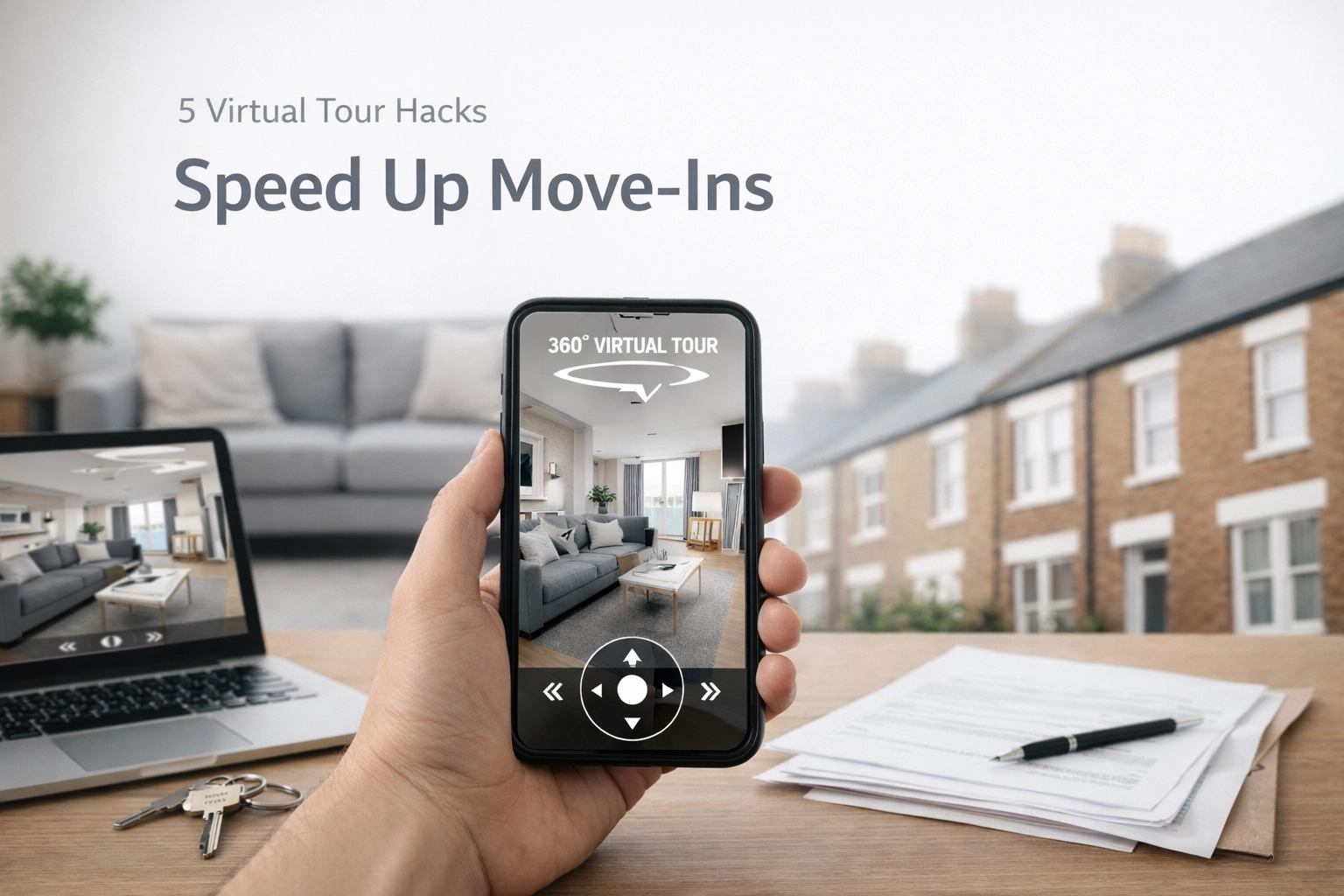
Property virtual tours 360 UK technology has matured. It's no longer a nice-to-have for luxury listings. When used strategically, virtual tours don't just showcase properties, they actively accelerate your entire tenant onboarding pipeline, pre-qualify applicants, and cut void periods by getting serious tenants through the door faster.
Here are five practical hacks we've seen work consistently across UK letting agents who've cracked the virtual tour code.
The first hack is simple but transformative: launch your 360 tour on day 1 of notice being served, so the property is available for viewing while the current tenants are still in situ.
Virtual tours function as a permanent open house that never closes. Prospective tenants can explore the property at 11pm on a Sunday or during their lunch break on Wednesday, whenever suits them, even if the current tenants are still living there. No scheduling conflicts. No diary coordination. No waiting three days for the next available slot.
That “day 1” mindset matters. We can start building demand during the notice period, so by the time the property is vacant, applicants have already toured, asked the right questions, and are ready to move quickly. The result is simple: less downtime between tenancies.
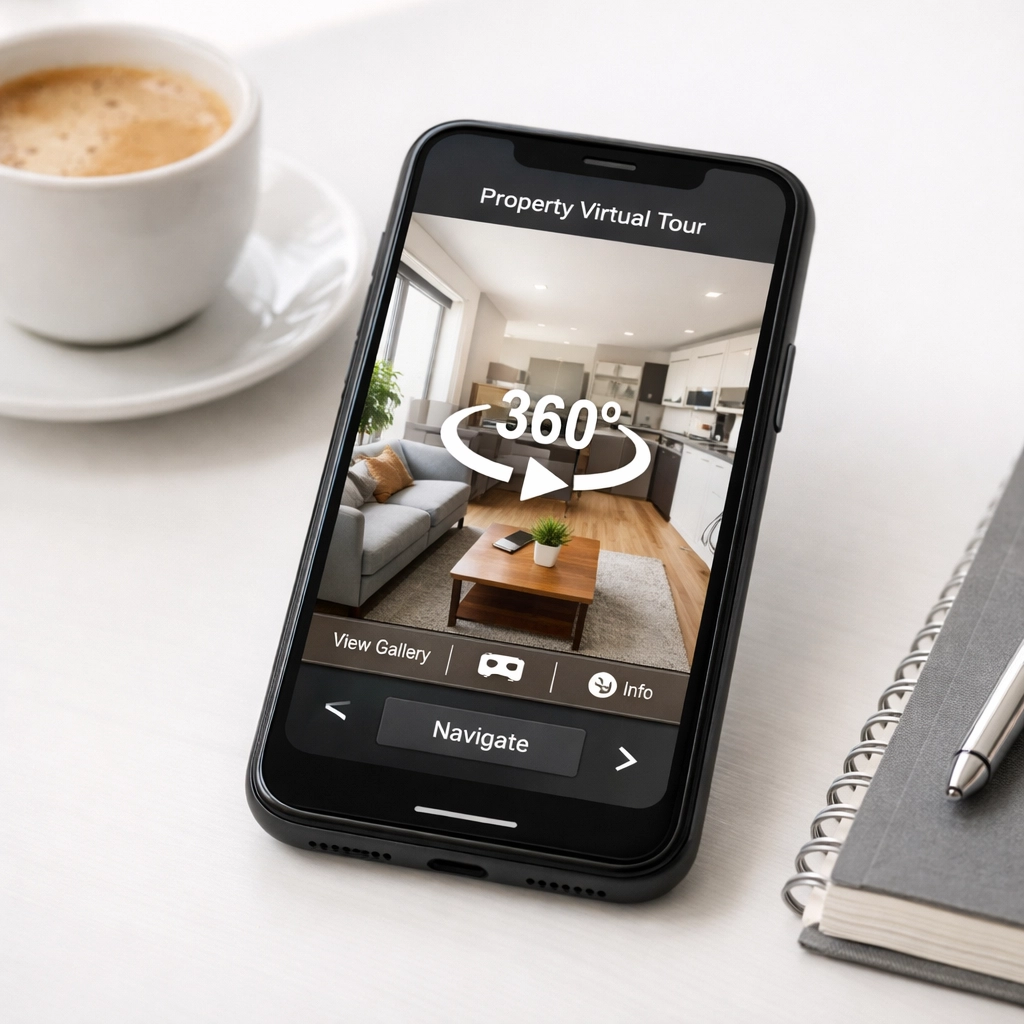
This isn't just convenient for tenants. It fundamentally changes your workflow. Instead of spending hours arranging and conducting initial viewings for tyre-kickers, you're only scheduling physical appointments with people who've already seen the property virtually and remain genuinely interested.
The time savings compound quickly. If you're spending an average of 15 hours per property coordinating viewings, cutting even a third of those unnecessary appointments back gives you five hours to reinvest in higher-value activities, like actually onboarding the tenants who are ready to move.
We've seen agents reduce their average time-to-let by seven days simply by making virtual tours the default first step. Serious applicants move faster because they're not stuck in a queue behind casual browsers.
Here's a truth most agents learn the hard way: not everyone who books a viewing is a qualified tenant. Some are early-stage researchers. Others are comparing dozens of properties with no clear timeline. A few just want to see inside out of curiosity.
Virtual tours act as an effective pre-qualification filter.
When prospective tenants can thoroughly explore a property online, walking through each room, checking storage space, examining the kitchen layout, zooming in on details, they self-select before requesting a physical viewing. Those who book an in-person appointment after viewing virtually are significantly more engaged and closer to making a decision.
The data backs this up. Listings with virtual tours attract more qualified leads because only serious candidates progress to the next stage. You're not eliminating interested people; you're eliminating wasted viewings with people who would have said "actually, this isn't quite right" thirty seconds into the tour.
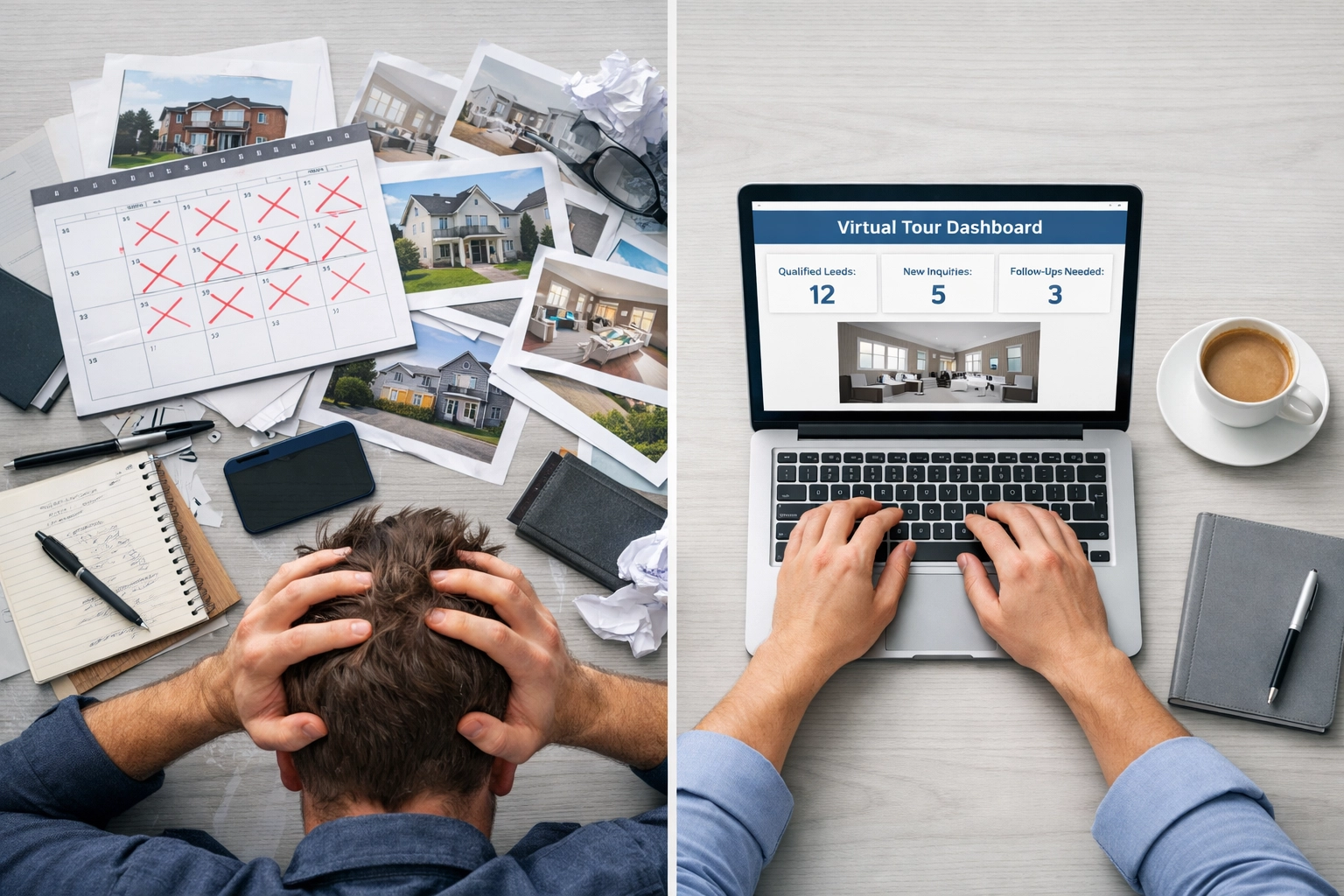
This creates a cleaner onboarding pipeline. Your physical viewing schedule fills with genuinely interested applicants who've already mentally moved in. They're asking specific questions about the boiler service schedule and parking arrangements, not whether the second bedroom fits a double bed.
The result? Fewer viewings required per let. Faster conversion from viewing to application. Less time spent on dead-end prospects.
Static photos only tell half the story. Even high-quality images can't answer the practical questions prospective tenants always ask: "What's that cupboard for?" "Is there enough natural light in the afternoon?" "Where exactly does the washing machine go?"
This is where interactive virtual tour elements become genuinely useful rather than just flashy.
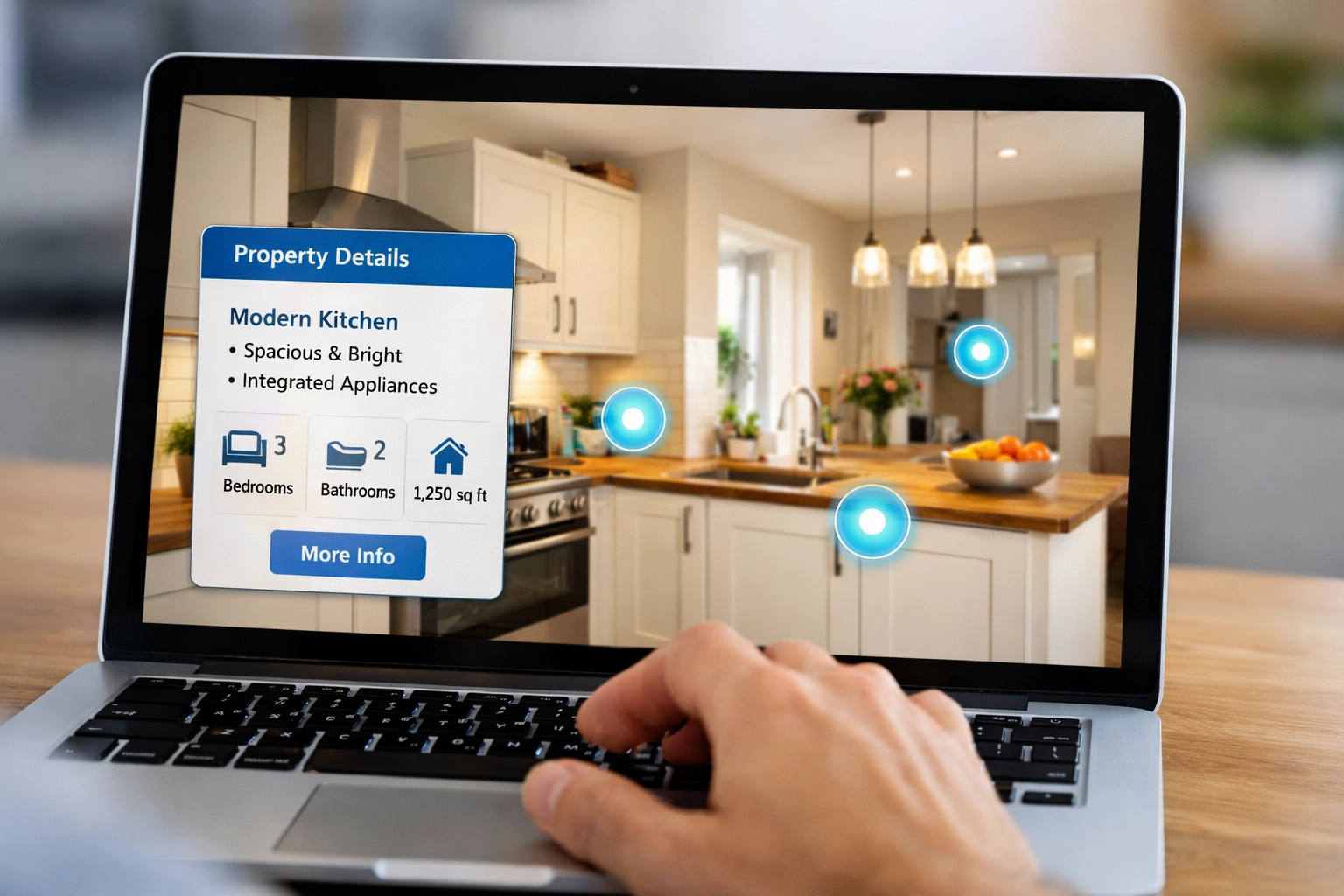
Modern virtual tour platforms let you embed clickable hotspots, video walkthroughs with voiceover narration, and informational pop-ups directly into the 360-degree experience. When a prospective tenant hovers over the storage cupboard in the hallway, a note appears: "Built-in storage: 1.2m wide, includes shelf unit." When they pause in the bathroom, a hotspot highlights the recent renovation date and the brand of fixtures installed.
These interactive elements pre-emptively answer the common questions you'd normally field during viewings or over email. They reduce the back-and-forth communication that clogs up onboarding timelines.
Professional virtual tour services understand this. The best providers don't just capture a 360-degree scan, they work with you to identify which property features deserve highlighting and create interactive elements that guide prospective tenants through the key selling points naturally.
The outcome is fewer follow-up questions, faster decision-making, and tenants who arrive at physical viewings already understanding what they're looking at. You're spending less time explaining basics and more time closing deals.
Here's a strategic advantage many agents overlook: virtual tours let you market to tenants who can't physically view properties in advance.
The UK lettings market increasingly involves people relocating for work, international students arriving from abroad, investors managing properties remotely, and professionals moving cities before securing accommodation. These prospective tenants need to make leasing decisions without the luxury of multiple in-person viewings.
Virtual tours remove geography as a barrier.
When you upload a comprehensive 360-degree virtual tour to your listing, you're suddenly accessible to applicants in Edinburgh browsing properties in Bristol, overseas students comparing London flats from their home country, or corporate relocations choosing accommodation before they arrive for their new role.
This expanded reach means your properties fill faster because you're drawing from a larger pool of qualified applicants. You're no longer limited to people who happen to live within driving distance and can spare an afternoon for viewings.
We've seen this make a measurable difference in competitive rental markets. Properties with virtual tours attract enquiries from a broader geographic range, and those long-distance applicants often move faster because their timelines are urgent, they need accommodation secured before their start date or arrival.
The onboarding benefit is clear: more qualified applicants means less time spent searching for tenants and more time selecting the best candidates.
The final hack recognises that virtual tours work best as part of an integrated system rather than a standalone solution.
Here’s a strategy we’re seeing save agents the most time right now: combine a Riverview 360 virtual tour with Google Street View on a live video call.
Instead of booking five separate in-person appointments (and absorbing the inevitable no-shows), we can host a single virtual group viewing from our desk. We share the Riverview 360 tour to walk viewers through the property room-by-room, then flip to Google Street View to show the surrounding neighbourhood in seconds: transport links, parking feel, nearby amenities, and the general street context people always ask about.
This “virtual first” viewing approach changes the economics of viewings:
The practical outcome is simple: fewer wasted appointments, tighter shortlists, and faster move-ins—without compromising on the tenant experience.
This approach minimises administrative overhead while maintaining relationship quality. Your team isn't stuck coordinating dozens of initial viewings, but serious applicants still get face-to-face interaction at the decision stage.
For larger portfolios or high-volume agencies, this hybrid model is how you scale tenant onboarding without scaling headcount proportionally. The virtual tour platform handles the initial filtering and qualification automatically. Professional viewing support steps in only when needed. You focus on moving qualified applicants through to signed tenancies.
The common thread across all five hacks is treating virtual tours as an operational tool rather than just marketing content.
Yes, virtual tours make listings look more professional. But their real value lies in how they reshape your tenant onboarding workflow: eliminating wasted time, pre-qualifying applicants automatically, answering questions before they're asked, expanding your reach, and letting you deploy resources more strategically.
The agents who benefit most from virtual tours are those who integrate them throughout the entire letting process. The tour isn't just embedded in the listing. It's referenced in email communications, sent to serious enquiries as a next step, used during pre-qualification conversations, and kept accessible even after physical viewings as a reference point during decision-making.
The result is measurably faster move-ins. Not because virtual tours magically speed up tenant decisions, but because they remove friction at every stage: fewer unnecessary viewings to coordinate, better-qualified applicants progressing through your pipeline, less time spent answering basic questions, and faster conversion from interest to signed tenancy agreements.
If you're still treating property viewings like it was 2015, the market's moved on. Virtual tours 360 UK technology has reached the point where it's not just feasible: it's the more efficient way to onboard tenants.
The question isn't whether virtual tours work. It's whether you're ready to stop wasting time on outdated processes and let technology handle what it does best, so you can focus on what actually requires human expertise: selecting great tenants and building lasting landlord relationships.


Let Tech Solutions Ltd is an Appointed Representative of George Stubbs Insurance Services Ltd, which is authorised and regulated by the Financial Conduct Authority.