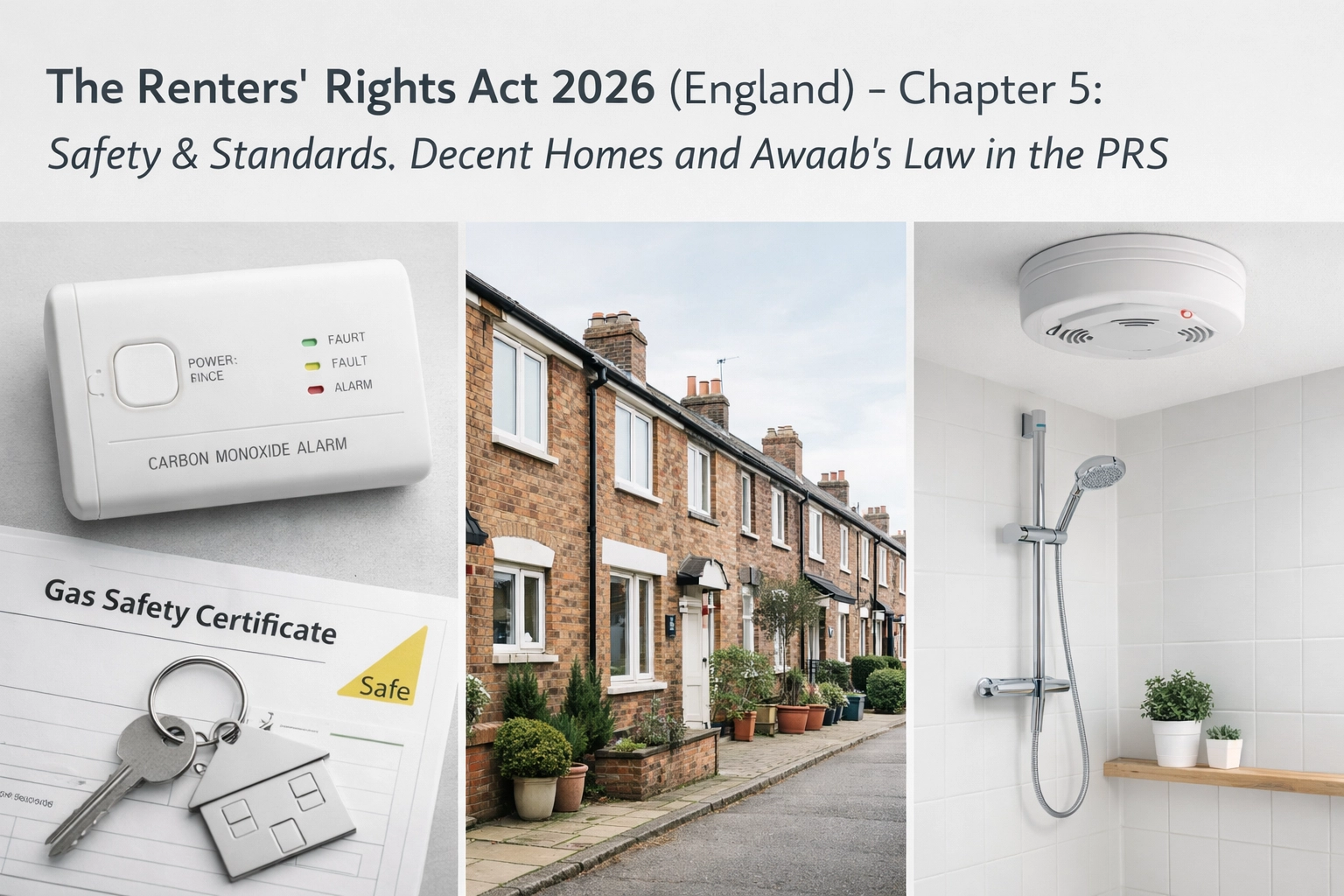
The Renters' Rights Act 2026 doesn't just reshape the legal mechanics of tenancies. It fundamentally redefines what "safe" and "decent" actually mean in the private rented sector.
For decades, the Decent Homes Standard applied exclusively to social housing. The private sector operated under a looser "fitness for human habitation" requirement that, while theoretically enforceable, left significant gaps in practice.
That changes on 1 May 2026. The Act extends robust safety and quality standards to all private tenancies, and introduces specific, legally binding timelines for addressing the single biggest health hazard in UK rental housing: damp and mould.
Originally introduced in 2000 for social housing, the Decent Homes Standard sets out four core criteria that every property must meet:
These aren't aspirational guidelines. They're measurable, enforceable standards that local authorities have used for over two decades to ensure council and housing association properties remain safe, warm, and liveable.
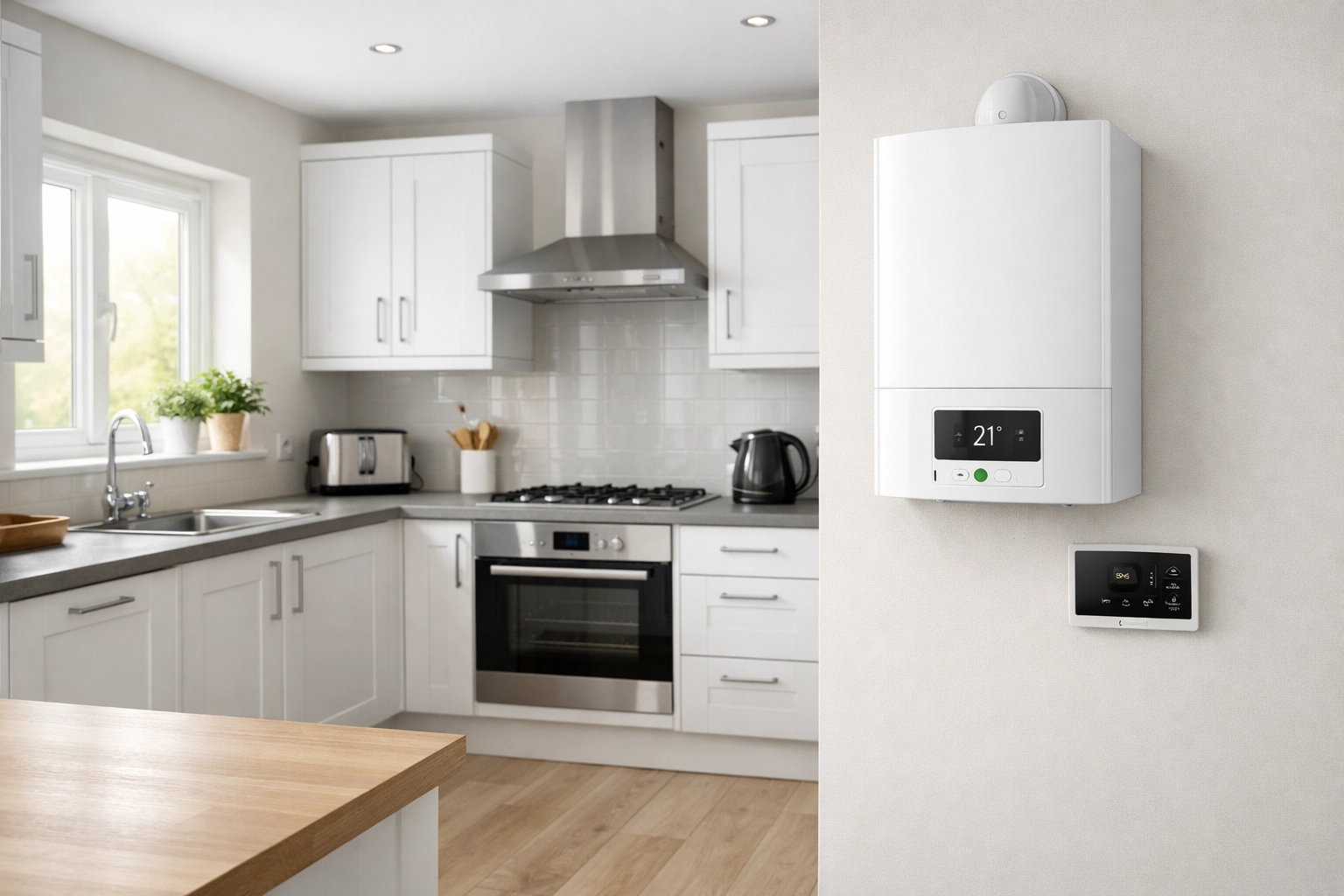
The private rented sector now houses 4.6 million households in England. It's no longer a niche market for students and young professionals. It's home to families, pensioners, disabled tenants, and people on long-term, low incomes.
Yet property quality remains wildly inconsistent. While many landlords maintain excellent standards, a significant minority do not. Data from the English Housing Survey consistently shows the PRS has a higher proportion of non-decent homes than social housing.
The Renters' Rights Act closes that gap. From May 2026, all private rented properties must meet the Decent Homes Standard at the start of a tenancy and maintain it throughout.
This isn't simply about having a boiler that works. The standard requires:
Properties will need to be assessed against this standard before new tenancies begin. Landlords must provide tenants with a written statement confirming the property meets the "fit for human habitation" requirement under Section 9A of the Landlord and Tenant Act 1985.
Failure to comply won't just result in fines. Tenants will have the right to take enforcement action through local authorities or directly through the courts.
In December 2020, two-year-old Awaab Ishak died from prolonged exposure to black mould in his family's one-bedroom housing association flat in Rochdale. Despite repeated complaints from his parents, the landlord failed to act.
The coroner's inquest found that Awaab's death was entirely preventable. His ruling triggered a national outcry and led directly to the introduction of Awaab's Law within the Social Housing (Regulation) Act 2023.
The Renters' Rights Act 2026 now extends that framework to the private rented sector.
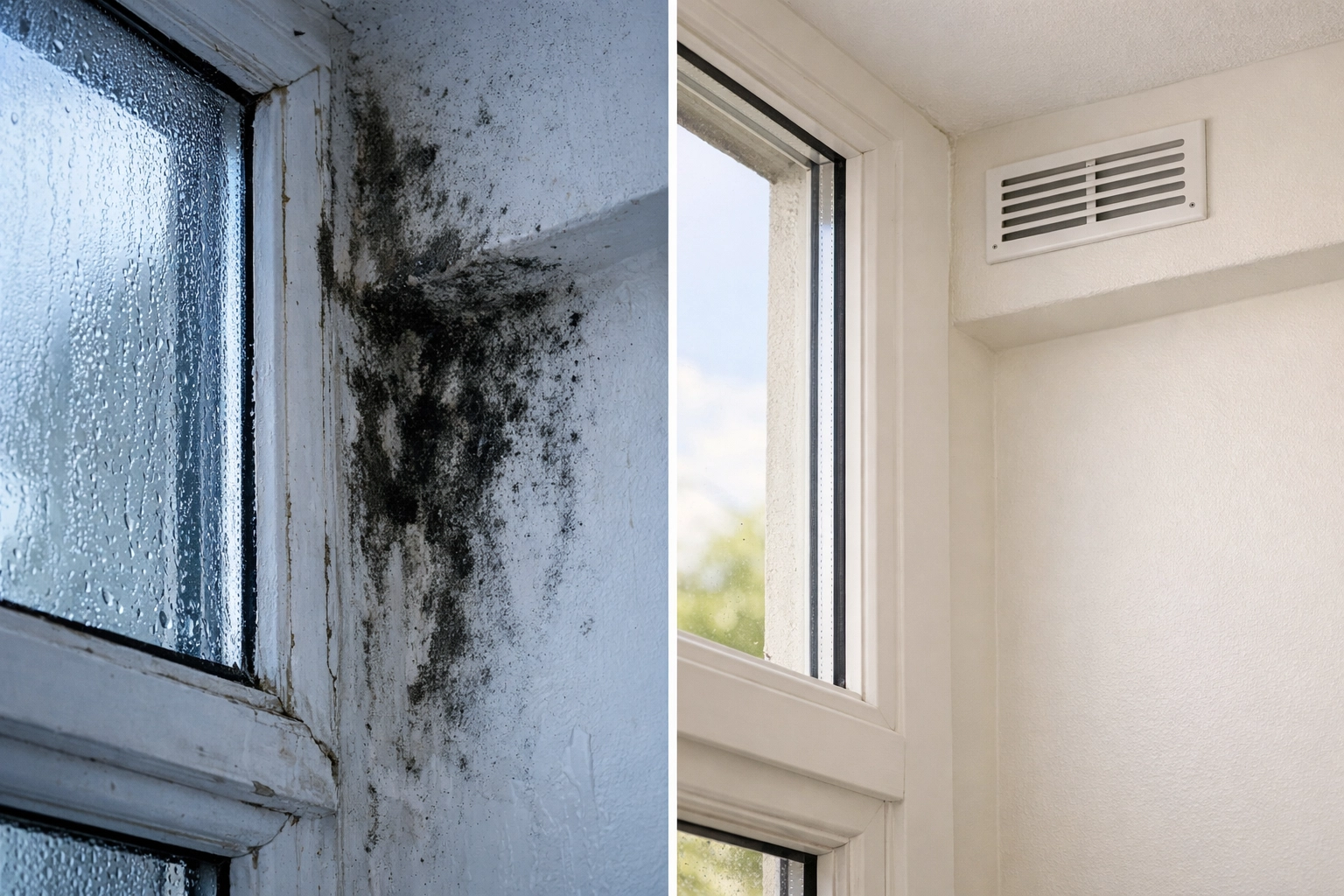
Under the new provisions, landlords must investigate and begin remedying hazards from damp and mould within strict legal timescales:
These aren't advisory timelines. They're statutory obligations. Failure to comply will be treated as a breach of the tenancy agreement and can result in enforcement action, fines, and rent repayment orders.
Damp and mould aren't just cosmetic problems. They're serious health hazards, particularly for children, elderly people, and anyone with respiratory conditions like asthma.
The World Health Organisation recognises that living in damp conditions significantly increases the risk of respiratory infections, allergic reactions, and chronic health conditions. In England, an estimated one in five privately rented homes has some degree of damp or mould.
Awaab's Law recognises that waiting weeks or months for landlords to "get around to it" is unacceptable when tenants' health is at risk.
When a tenant reports damp or mould, the clock starts immediately. Landlords cannot delay, dismiss, or downplay the issue. The 14-day inspection window is absolute.
The inspection must be thorough. Landlords need to identify the root cause: whether it's structural (leaking roofs, faulty guttering, penetrating damp), ventilation-related (inadequate airflow, blocked vents), or heating-related (insufficient or inefficient systems).
The written action plan must be specific. "We'll look into it" won't suffice. Tenants need to know what work is being done, by whom, and by when. If scaffolding, specialist damp-proofing, or major remedial work is required, the plan must outline realistic timescales and any interim measures to protect tenants' health in the meantime.
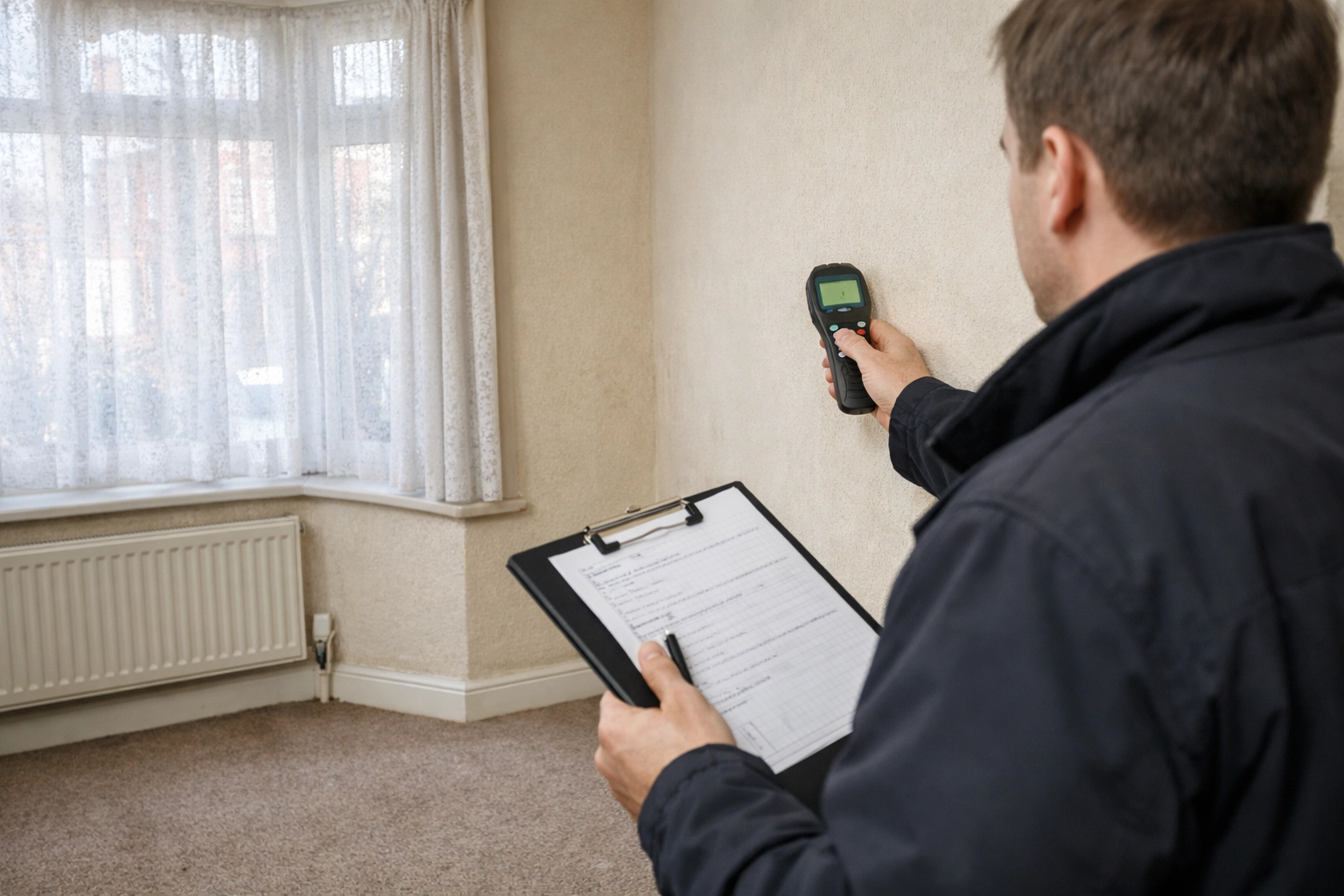
Local authority environmental health and housing enforcement teams have primary responsibility for ensuring compliance with both the Decent Homes Standard and Awaab's Law.
Tenants can report non-compliant properties directly to their local council. Officers have the power to inspect properties, issue improvement notices, and prosecute landlords who fail to meet their obligations.
Additionally, the Act gives tenants the right to take direct legal action through the courts if their landlord fails to maintain decent standards or comply with damp and mould timelines.
Landlords who breach safety and standards requirements face:
These aren't theoretical. Enforcement action has increased year-on-year, and the introduction of the Private Rented Sector Ombudsman (covered in Chapter 7) will add another layer of accountability.
The extension of the Decent Homes Standard and the introduction of Awaab's Law represent more than just regulatory tightening. They signal a fundamental shift in how society views private renting.
Tenants are no longer supplicants grateful for whatever housing they can find. They're consumers entitled to safe, decent, and well-maintained homes. Landlords are no longer simply property owners. They're housing providers with enforceable duties of care.
For professional landlords and letting agents who already maintain high standards, these changes should be relatively straightforward to implement. Good practice becomes legal obligation.
For those operating at the margins: offering substandard accommodation, ignoring maintenance requests, or failing to address hazards: the Act represents a reckoning. The choice is simple: raise standards or exit the market.
The Decent Homes Standard and Awaab's Law provisions take effect on 1 May 2026. Landlords have until that date to ensure their properties meet the required standards.
This doesn't mean waiting until April 2026 to act. Properties require assessment, and in many cases, significant remedial work. Surveys, contractor availability, and materials procurement all take time.
Landlords should begin compliance planning now. That means:
For tenants, these provisions represent the most significant upgrade to rental housing safety in a generation. From May 2026, the legal framework will finally reflect what everyone already knows: safe, decent housing isn't a luxury. It's a fundamental right.


Let Tech Solutions Ltd is an Appointed Representative of George Stubbs Insurance Services Ltd, which is authorised and regulated by the Financial Conduct Authority.